The One That We Wanted: How Grease and Its Soundtrack Reshaped late-’70s Pop Music
In the summer of 1978, a movie musical about 1950s teenagers did something entirely unexpected: it defined the sonic landscape of the late 1970s.
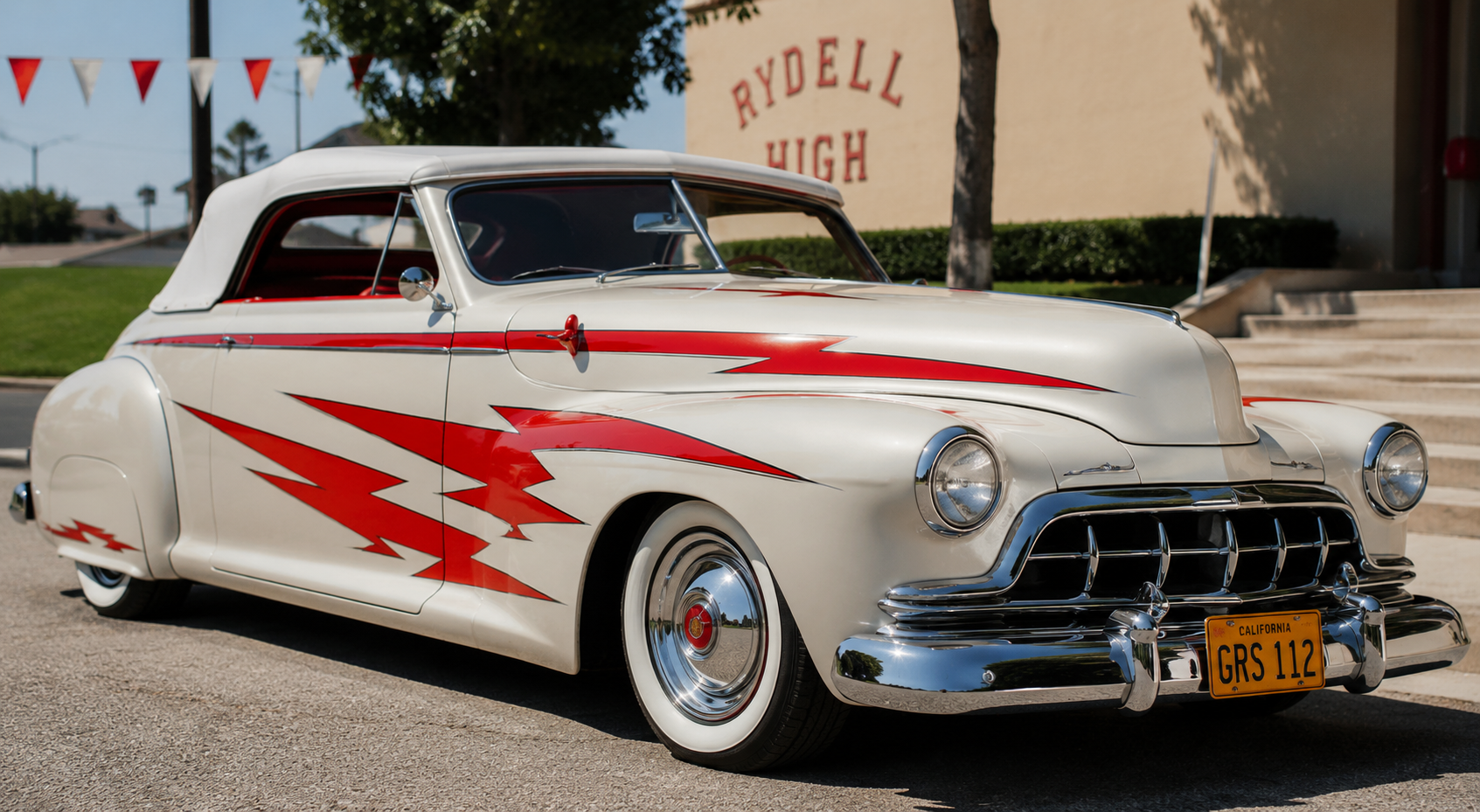
When Grease** hit theaters in June 1978, it was already a known commodity, based on the successful 1972 Broadway musical. But the film adaptation—propelled by the undeniable chemistry of John Travolta and Olivia Newton-John—transformed the property from a nostalgic stage show into a global juggernaut.
Nowhere was this impact felt more acutely than on the Billboard charts. The Grease original motion picture soundtrack didn't just sell albums; it altered the trajectory of pop music, bridged massive genre divides, and set a new standard for how Hollywood and the music industry would collaborate for decades to come.
A Cultural Paradox: 1950s Nostalgia Meets 1978 Production
On paper, Grease is a love letter to the birth of rock and roll—the era of doo-wop, greasers, and hot rods. But the genius of the movie’s soundtrack lies in its brilliant sonic compromise. Rather than sticking strictly to authentic 1950s instrumentation, the soundtrack’s biggest hits were engineered with the slick, bass-heavy, and dance-inflected production styles of 1978.
This paradox created a massive crossover appeal. It allowed older listeners to indulge in warm nostalgia for their youth, while younger audiences—who were currently lining up at discotheques—could groove to a familiar, modern beat.
Dominating the Charts: The Bee Gees and Beyond
To understand the sheer magnitude of the Grease soundtrack’s impact on late-’70s music, you only have to look at the numbers. It became a permanent fixture at the top of the charts, spawning four massive top-five singles that dominated the radio dial for months.
1. "Grease" (Frankie Valli)
To anchor the film's opening animation, the producers didn't look to a '50s songwriter. Instead, they commissioned Barry Gibb of the Bee Gees to write the title track. Sung by Four Seasons frontman Frankie Valli, "Grease" is a textbook 1978 disco-funk record. With its signature pulsing bassline and compressed horns, the song went straight to number one, proving that the film was firmly rooted in contemporary '70s cool.
2. "You're the One That I Want" (John Travolta & Olivia Newton-John)
Written by Newton-John’s longtime producer John Farrar specifically for the movie's climax, this track replaced the Broadway show's original '50s-style song, "All Choked Up." Farrar delivered a driving, uptempo pop-rock masterpiece. It became a global phenomenon, topping charts worldwide and cementing Travolta and Newton-John as the decade's definitive musical duo.
3. "Hopelessly Devoted to You" (Olivia Newton-John)
Another John Farrar creation, this mid-tempo ballad perfectly blended '50s chord progressions with smooth, late-'70s adult contemporary production. The song earned an Oscar nomination and showcased Newton-John’s vocal versatility, proving that country-pop could live comfortably alongside disco on top-40 radio.
The Double-Threat Trend: The Rise of the Multi-Media Pop Star
Before Grease, John Travolta was already a massive star thanks to Welcome Back, Kotter and the historic success of Saturday Night Fever (1977). However, Grease solidified a major late-’70s industry trend: the movie star as a dominant force on top-40 radio.
The soundtrack proved that a film could act as a massive, multi-month promotional vehicle for the music industry, and vice versa. It paved the way for the soundtrack-heavy era of the 1980s (Footloose, Flashdance, Purple Rain), establishing a blueprint where the movie trailer and the radio single worked in perfect lockstep.
A Monumental Chart Feat
In the summer of 1978, the Grease soundtrack accomplished a rare feat, holding the No. 1 and No. 2 spots on the Billboard Hot 100 simultaneously with "You're the One That I Want" and "Grease."
Bridging the Genre Wars
The late 1970s were marked by an intense cultural polarization in music, famously culminating in the "Disco Demolition Night" backlash of 1979. Rock purists were warring with disco enthusiasts.
Grease acted as a rare neutral ground. Because the soundtrack featured a mixture of straight-ahead rock-and-roll revivals (performed flawlessly by the throwback group Sha Na Na), traditional show tunes, acoustic ballads, and disco-pop, it transcended demographic boundaries. It was an album that a punk rocker, a disco dancer, and a suburban mom could all find common ground on.
The Lasting Vibration
By the time the '70s drew to a close, the Grease soundtrack had sold tens of millions of copies worldwide (eventually becoming one of the best-selling albums of all time).
Its true impact on 1970s music was its defiance of gravity. At a time when music subgenres were fracturing and isolating audiences, Grease used a heavy dose of nostalgia and contemporary '70s production to pull everyone back together under one giant, retro umbrella. It proved that a great pop hook, backed by a compelling visual story, was entirely timeless.
Comments (0)
No comments yet. Be the first to share your thoughts.
Sign in in your browser to leave a comment.